Choosing the right haulage company in Cambridgeshire

Choosing the right haulage company in Cambridgeshire

Finding a reliable haulage company in Cambridgeshire requires more than just checking vehicle counts. The county sits at a critical junction for UK logistics, connecting the Midlands to major East Anglian ports through the A14 and A1 corridors. Businesses need transport partners who understand local routes, hold the right safety accreditations, and offer scalable warehousing space. This guide breaks down fleet capabilities, pallet networks, and specialised storage options to help you evaluate logistics providers across the region.

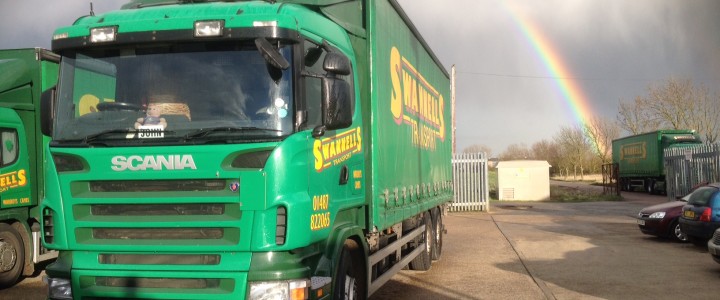
Since 1981, Swannells Transport has grown from a single lorry into a comprehensive logistics operation based in Warboys. Founded by Andrew and Karen Swannell, the company now operates a large fleet maintained entirely on-site. Understanding how different providers structure their services makes it easier to match your freight requirements with the right operator.

Fleet capabilities with a haulage company in Cambridgeshire

While total vehicle count indicates capacity, maintenance standards dictate reliability. Swannells Transport maintains its entire fleet on-site in Warboys to prevent mechanical downtime and keep delivery schedules intact. Evaluating a provider means looking at both their total capacity and their maintenance infrastructure.

Handling hazardous freight and chemical transport

Transporting dangerous goods introduces strict legal and safety requirements. Standard hauliers cannot legally move hazardous chemicals without specific driver qualifications and company certifications. Drivers must hold an ADR certificate, which proves they have completed specialised training for handling dangerous goods by road.

Swannells Transport specialises in this sector by employing ADR-qualified drivers and maintaining an in-house Dangerous Goods Safety Advisor (DGSA). Having a DGSA on staff ensures all operations comply with current safety regulations and provides immediate guidance on packaging, labelling, and emergency procedures. Safe hazardous freight transport requires this level of dedicated oversight.

Warehousing capacity and specialised storage

Transport and storage go hand in hand. Businesses often need to hold stock near major transport routes to manage seasonal demand or buffer against supply chain disruptions. Managed warehousing provides flexibility without the overhead of leasing your own commercial property.

Facility sizes and specialisations differ across Cambridgeshire. Swannells Transport offers 60,000 square feet of warehousing space at the Airfield Industrial Estate in Warboys. Crucially, Swannells provides separate, dedicated areas for different types of goods. They maintain isolated storage zones for food ingredients and hazardous chemicals to prevent cross-contamination. They also own an additional four acres of land earmarked for new warehouse facilities, indicating long-term capacity for growing clients. Services like container de-stuffing and loading add value for businesses importing goods through eastern ports and beyond.

Safety, compliance, and industry accreditations

Accreditations serve as objective proof of a company’s operational standards. When evaluating a haulage company in Cambridgeshire, specific certifications indicate how seriously they take road safety and environmental impact. The Fleet Operator Recognition Scheme (FORS) is a primary benchmark in the UK. RSB UK LTD, for example, holds FORS Silver accreditation, which requires operators to prove they maintain high standards for safety, efficiency, and environmental protection.

ISO standards provide another layer of trust. These frameworks require regular external audits. For businesses moving sensitive or high-value freight, partnering with a fully accredited haulier reduces supply chain risk and satisfies internal compliance requirements.

Frequently asked questions about Cambridgeshire logistics

What qualifications do drivers need for hazardous freight?

Drivers transporting dangerous goods must hold an ADR certificate. This qualification requires passing specific training modules related to the classes of hazardous materials they will carry. Companies handling these goods should also employ a Dangerous Goods Safety Advisor (DGSA).

What industries rely on logistics in Cambridgeshire?

Many sectors depend on reliable logistics, including manufacturing, construction, agriculture, retail, food distribution, engineering, and e-commerce. Efficient transport helps these industries keep supply chains running smoothly.

Can logistics companies handle both local and nationwide deliveries?

Yes. Many transport companies based in Cambridgeshire operate both locally and throughout the UK, allowing businesses to move goods efficiently regardless of destination.

Choosing the right logistics partner impacts your bottom line, customer satisfaction, and legal compliance. By evaluating fleet maintenance, warehousing capacity, and safety accreditations, you can secure a transport solution that scales with your business. If you need dedicated storage or hazardous freight handling, contact Swannells Transport to discuss your specific requirements.

A complete guide to warehousing in Cambridgeshire

A complete guide to warehousing in Cambridgeshire

Finding the right commercial storage space directly impacts your supply chain efficiency and your bottom line. With industrial space remaining tight across the region and availability rates close to historical lows, securing reliable warehousing in Cambridgeshire requires understanding exactly what local facilities offer.

Types of storage and warehousing near me

Not all products can sit on standard pallet racking. The local market offers distinct setups depending on what you need to store. Matching your product to the right environment prevents damage and keeps you legally compliant.

General pallet storage

Standard pallet storage fits most dry goods. Facilities range from bulk floor storage to high-bay racking systems. If you sell directly to consumers, you need a partner that handles pick and pack operations.

For larger-scale palletised goods management, you need a warehouse with a dedicated warehouse management system to track inventory in real time.

Managing hazardous chemicals and dangerous goods

Storing chemicals requires specific safety protocols, dedicated segregation areas, and specialized staff training. At Swannells Transport, we specialize heavily in this area. We employ an in-house Dangerous Goods Safety Advisor to oversee all compliance matters. Our drivers hold full ADR qualifications. This means we handle both the storage and the hazardous freight transport safely.

Food ingredients and temperature-sensitive goods

Cold storage is a separate tier of logistics entirely. We provide dedicated storage for food ingredients at our Warboys site. We keep these materials strictly separated from our chemical storage zones to prevent any risk of cross-contamination.

Facility sizes and what to expect

The physical size of a warehouse dictates how much seasonal fluctuation it can absorb. You will find a wide range of facility sizes across the county. They cater to different volumes and operational styles. The benefits of managed warehousing for your business include predictable costs and scalable space, but only if the facility has room to grow with you.

At Swannells Transport, our storage and handling facilities comprise 60,000 square feet, ideal for those looking for spacious warehousing in Cambridgeshire. We have an additional four acres of land that feature new warehouse facilities to meet growing demand.

Value-added services that streamline supply chains

Beyond the warehouse floor, transport reliability is key. At Swannells, we maintain our proud fleet of vehicles on-site. This keeps us ready for distribution, even during harsh weather.

Trust signals and industry accreditations

You hand over your physical assets to a storage provider, so you need proof they run a compliant and secure operation. The United Kingdom Warehousing Association sets the baseline standard for general storage across the country.

For food products, look for Brand Reputation Compliance Global Standards certification. BRCGS proves the facility maintains strict hygiene, pest control, and traceability protocols. Company history is a strong trust signal in the logistics sector.

Frequently asked questions about local logistics

What is the difference between warehousing and fulfillment?

Warehousing refers to the bulk storage of goods, usually on pallets, for medium to long periods. Fulfillment involves picking individual items from those pallets, packing them into parcels, and shipping them directly to consumers. Fulfillment centers require different racking setups and more staff than bulk storage warehouses.

Do I need a specialized facility for food ingredients?

Yes. Food ingredients require clean, dry, and pest-controlled environments. They must be stored far away from hazardous materials to comply with health and safety regulations. Facilities handling food should ideally hold relevant safety accreditations like BRCGS.

How do transport links affect storage costs?

Facilities located directly on major routes like the A14 or near rail hubs in Ely often charge higher storage rates due to high demand. However, they can lower your overall transport costs by reducing driving time and fuel consumption for your haulage provider.

Securing reliable warehousing in Cambridgeshire requires matching your specific product needs with the right local facility. If you need flexible storage space backed by ADR-qualified drivers and an in-house safety advisor, contact our team at Swannells Transport to discuss your supply chain requirements.

The Importance of Safe Hazardous Freight Transport

The Importance of Safe Hazardous Freight Transport

Transporting hazardous goods requires specialist expertise, training, and strict adherence to safety regulations. Businesses dealing with chemicals, flammable materials, or other regulated substances must ensure they work with professionals experienced in hazardous freight transport.

Handling hazardous materials involves far more than standard freight transport. Strict regulations govern how these goods must be packaged, labelled, transported, and stored. Failure to follow these guidelines can result in safety risks as well as regulatory penalties.

At Swannells Transport, safety is always the highest priority. With extensive experience in hazardous freight transport, the company provides reliable solutions for businesses that require specialist logistics services.

All hazardous freight operations must comply with ADR regulations, which ensure dangerous goods are transported safely by road. Swannells Transport operates with ADR-qualified drivers and in-house DGSA (Dangerous Goods Safety Advisor) expertise, providing businesses with confidence that their goods are handled correctly at every stage of the process.

In addition to safe transport, storage also plays an important role when dealing with hazardous materials. Swannells Transport offers secure warehousing facilities in Huntingdonshire, designed to safely store a variety of freight types while meeting regulatory standards.

Choosing the right logistics partner is essential for businesses requiring hazardous freight transport. A qualified and experienced provider ensures that goods are transported safely, regulatory requirements are met, and risks are minimised.

With decades of experience in specialist logistics, Swannells Transport continues to support businesses across Cambridgeshire and the UK with professional hazardous freight handling and reliable transport services.

To find out more, please get in touch with our friendly team on 01487 822065. Or email traffic@swannells.co.uk

Why Choosing the Right Transport Company in Cambridge Matters

Why Choosing the Right Transport Company in Cambridge Matters

When businesses search for a transport company in Cambridge, they are usually looking for reliability, professionalism, and a logistics partner they can trust. Transport plays a critical role in keeping supply chains moving, and choosing the right company can make a significant difference to business operations.

A reliable transport company that Cambridge businesses can depend on should offer more than simply moving goods from one place to another. Efficiency, communication, and industry expertise are essential to ensuring deliveries arrive safely and on time.

Local experience is another important factor. A transport provider based near Cambridge understands the regional road networks, traffic patterns, and delivery routes. This local knowledge allows for more efficient planning and smoother transport operations compared to companies unfamiliar with the area.

Swannells Transport has built a strong reputation as a trusted transport company in Cambridge, supporting businesses across multiple industries. With a large fleet of vehicles and experienced drivers, the company provides dependable freight transport across the UK.

In addition to transport services, Swannells also offers secure warehousing solutions in Huntingdonshire. With over 60,000 sq ft of storage space, businesses can safely store goods before distribution, helping streamline their logistics operations.

Another key benefit of working with a local transport provider is personalised service. Unlike large national companies, smaller logistics providers are able to offer more flexible and responsive support. This allows businesses to build strong working relationships with their transport partner.

For companies searching for a reliable transport company in Cambridge, working with an experienced and trusted provider ensures goods are handled professionally and delivered safely every time.

Swannells Transport continues to support businesses across the region with reliable freight transport and logistics expertise built on decades of experience.

If you would like to find out more, please get in touch with our friendly team, and we’d be happy to discuss your requirements.

Tel: 01487 822065
Email: traffic@swannells.co.uk

Spring Is the Perfect Time to Review Your Cambridgeshire Logistics

Spring Is the Perfect Time to Review Your Cambridgeshire Logistics

As winter comes to an end and businesses begin preparing for the warmer months, spring is the ideal time to review your Cambridgeshire logistics strategy. Seasonal changes often bring new opportunities, increased demand, and the need for reliable transport and storage solutions.

For many businesses across Cambridgeshire, spring means preparing for busier supply chains. Retailers begin stocking seasonal products, manufacturers increase production, and distributors start planning for higher delivery volumes. Having a trusted logistics partner in place helps ensure goods move efficiently and safely throughout this busy period.

At Swannells Transport, we understand how important dependable Cambridgeshire logistics services are for businesses that rely on timely deliveries. With decades of experience in haulage and freight transport, our team works closely with companies across the region to provide reliable and flexible logistics solutions.

Transport is only one part of the logistics process. Storage also plays a vital role in managing seasonal demand. Businesses often need extra space to store goods before distribution, particularly during peak periods. Swannells Transport offers secure warehousing facilities with over 60,000 sq ft of storage space in Huntingdonshire, allowing businesses to safely store goods before they are transported across the UK.

Working with a local logistics provider also means businesses benefit from strong regional knowledge. Our experienced drivers understand the local road networks, ensuring efficient routes and reliable delivery times.

As spring approaches, reviewing your Cambridgeshire logistics setup can help ensure your business runs smoothly during the months ahead. Whether you require reliable freight transport, secure warehousing, or specialist freight handling, working with an experienced logistics partner can make all the difference.

Swannells Transport is proud to support businesses across Cambridgeshire with dependable logistics services built on experience, reliability, and professionalism.

Top Tips for Preventing Downtime in 2026

Top Tips for Preventing Downtime in 2026

For businesses that rely on transport and logistics, vehicle downtime is more than just an inconvenience, it’s a cost that can quickly add up. Missed deliveries, delayed schedules, and unexpected repairs all impact efficiency, customer satisfaction, and ultimately, your bottom line. As 2026 rolls on, planning ahead and taking proactive measures to prevent downtime is essential for any fleet operator or business relying on commercial transport.

At Swannells Transport, we understand the pressures that come with keeping a fleet running smoothly. Here are our top tips to help prevent downtime and ensure your operations stay on track throughout the year.

1. Prioritise Regular Vehicle Maintenance

The most effective way to prevent downtime is to stay ahead of potential mechanical issues. Routine maintenance checks can identify small problems before they turn into costly repairs. Key steps include:

  • Regular servicing according to manufacturer schedules
  • Checking fluid levels, brakes, and tyres consistently
  • Monitoring battery health and electrical systems
  • Keeping detailed maintenance logs for each vehicle

By being proactive, you reduce the likelihood of unexpected breakdowns and extend the life of your vehicles.

2. Stay on Top of Fleet Management

Proper fleet management involves tracking vehicle performance, monitoring driver behaviour, and scheduling maintenance efficiently. With the right system in place, downtime is easier to predict, and easier to prevent.

3. Train Drivers to Minimise Wear and Tear

Driver behaviour has a significant impact on vehicle longevity. Providing regular training can help reduce unnecessary strain on vehicles. Drivers are the first line of defence against downtime, and well-trained staff can make a measurable difference.

4. Plan for Seasonal Challenges

Winter, spring storms, and hot summer months all bring unique challenges for fleets. Planning ahead for seasonal conditions can prevent costly interruptions.

  • Winter: Anti-freeze checks, winter tyres, and battery monitoring
  • Spring: Inspect suspension after frost and potholes
  • Summer: Cooling system checks and tyre pressure monitoring

By factoring seasonal risks into your maintenance schedule, you can reduce downtime caused by weather-related issues.

5. Keep Spare Parts and Resources Available

Unexpected repairs often cause the longest delays. Keeping commonly replaced spare parts on hand can dramatically reduce vehicle downtime. Consider stocking:

  • Tyres and tyre repair kits
  • Brake pads and fluids
  • Filters and belts
  • Batteries and lighting components

Quick access to these items ensures that minor issues don’t become major disruptions.

6. Outsource Expert Support Where Needed

Sometimes, the fastest way to minimize downtime is to work with experts. Experienced commercial transport partners, like Swannells Transport, can provide expert haulage and storage solutions.

7. Monitor and Analyse Downtime

Finally, it’s crucial to track downtime incidents and analyse the causes. Understanding patterns allows you to address systemic issues and make informed improvements. Questions to ask include:

  • Which vehicles experience the most issues, and why?
  • Are certain routes or conditions causing more stress on vehicles?
  • How effective are current maintenance schedules and driver training programs?

Data-driven decisions help reduce repeat problems and optimize fleet performance in 2026.

Keep Your Fleet Moving in 2026

Downtime doesn’t just cost money, it can also damage your reputation with clients and disrupt operations across your business. By following these tips, fleet operators can take control, reduce unexpected delays, and ensure smooth operations all year round.

At Swannells Transport, we combine expertise, reliable vehicles, and proactive support to help businesses across Cambridgeshire and beyond maintain operational efficiency.

Start 2026 Strong: Smarter Storage and Palletised Goods Management

Start 2026 Strong: Smarter Storage and Palletised Goods Management

The start of a new year is always a good time to take stock of your business operations. 2026 brings fresh opportunities, and for many companies, that means finding smarter ways to manage stock, streamline distribution, and cut unnecessary costs. One of the simplest yet most effective steps is rethinking how you handle palletised goods storage and whether your warehouse setup is really working for you.

Why Palletised Storage Makes a Difference

Using pallets may sound like standard practice, but when managed properly, they can completely transform your warehouse efficiency. Storing goods on pallets makes loading and unloading faster, reduces the risk of damage, and helps businesses maximise space. With the right palletised goods storage, inventory becomes easier to track, move, and distribute – keeping your supply chain running smoothly.

The New Year is About Organisation

January often feels like a reset button, and businesses can benefit from treating their storage operations the same way. Instead of beginning another year struggling with overcrowded warehouses, unpredictable stock levels, or delayed shipments, why not start 2026 with a clean, organised system? Partnering with a managed warehouse provider ensures your goods are not only stored efficiently but also handled by experienced teams who understand how to keep things moving during busy and quiet periods alike.

Thinking Beyond Storage

It’s easy to see warehousing as just “somewhere to put your stock,” but the reality is that the right facility adds real value to your operations. At Swannells Transport, our warehouse services go far beyond simply holding goods. We manage distribution, order handling, and compliance, so you can focus on running your business. For companies dealing with seasonal surges or rapid growth, outsourcing warehousing offers flexibility without the cost of investing in additional space or staff.

Future-Proofing Your Business

2026 will bring new challenges and opportunities across every industry. By starting the year with a well-organised approach to palletised goods storage, businesses can stay ahead of demand, keep customers happy, and reduce the stress that often comes with supply chain management. It’s about creating systems that work not just today, but for the months and years to come.

A new year is the perfect time to review, refresh, and reorganise. With professional warehouse services and efficient palletised goods storage, you can make 2026 the year your logistics run more smoothly than ever. At Swannells Transport, we’re here to provide the space, structure, and support you need to grow.

The Benefits of Outsourced Logistics

The Benefits of Outsourced Logistics

Running logistics in-house can be expensive, complex, and time-consuming. From hiring staff to maintaining vehicles and warehouses, the costs quickly add up. Many companies now turn to outsourced logistics solutions to improve efficiency, reduce costs, and focus on growing their core business.

Save on Costs

One of the main benefits of outsourcing is cost efficiency. Logistics providers spread costs across multiple clients, meaning businesses benefit from economies of scale. Instead of investing in vehicles, warehouses, or specialist staff, you can rely on experts who already have the infrastructure in place.

Access to Expertise and Technology

Specialist providers have years of experience and use advanced systems to track stock, plan routes, and manage deliveries. With outsourced logistics solutions, businesses gain access to tools and insights they might not be able to afford on their own. This leads to greater accuracy, fewer delays, and better customer satisfaction.

Flexibility and Scalability

Demand often changes throughout the year, especially around peak seasons. Outsourcing allows companies to scale up or down easily, without committing to long-term investments. Whether it’s increased storage for seasonal stock or additional vehicles for busy periods, providers can adapt quickly.

Focus on Core Business

Logistics is vital, but it isn’t the main focus for most companies. By outsourcing, management teams can dedicate more time to sales, product development, and customer service. Freeing up resources means businesses can grow without being weighed down by day-to-day logistics challenges.

Reduce Risk

Delays, breakdowns, or compliance issues can damage a business’s reputation. Partnering with a reliable logistics provider reduces these risks. Professionals ensure that vehicles, storage, and processes meet industry standards, giving you peace of mind.

Using outsourced logistics solutions is more than just a way to save money – it’s a way to strengthen your business. At Swannells Transport, we provide reliable logistics services that adapt to your needs, helping you keep operations running smoothly while focusing on growth.

Preparing Your Fleet for Winter

Preparing Your Fleet for Winter

Winter driving conditions can be harsh, with freezing temperatures, icy roads, and shorter daylight hours putting extra strain on vehicles and drivers. Businesses that rely on transport must plan ahead to ensure their operations run smoothly. Effective winter fleet management not only keeps drivers safe but also reduces costly downtime and delays.

Carry Out Thorough Vehicle Inspections

Cold weather affects batteries, tyres, and fluids, all of which are vital to vehicle performance. Batteries should be tested, as older ones are more likely to fail in low temperatures. Tyres should be winter-ready, with correct pressure and good tread depth for traction on icy roads. Fluids such as oil, antifreeze, and windscreen washer fluid should be checked and topped up regularly.

Route Planning is Essential

Winter weather can make some routes dangerous or impassable. Businesses should monitor weather forecasts and plan alternative routes when necessary. Allowing extra travel time reduces stress for drivers and improves safety. For companies managing deliveries, flexible scheduling can make all the difference during unpredictable weather conditions.

Equip Vehicles for Winter

A key part of fleet management is ensuring vehicles are stocked with emergency supplies. Ice scrapers, de-icer, blankets, torches, and first-aid kits are essential items. These simple precautions ensure drivers are prepared for delays or breakdowns in difficult weather.

Maintain Comfort and Visibility

Heating, ventilation, and defrosting systems should be tested to ensure they are working effectively. Clear windscreens and warm cabins not only improve comfort but also keep drivers focused and safe.

Use Technology to Monitor Performance

Telematics systems and vehicle tracking can provide real-time data on vehicle performance, fuel use, and driver behaviour. During winter, this technology helps identify problems early, allowing businesses to address them before they cause breakdowns or accidents.

Good fleet management ensures that your vehicles remain safe and reliable throughout the colder months. At Swannells Transport, we take extra care in preparing our fleet for winter, helping our customers maintain smooth operations no matter what the weather brings.

Using Managed Warehousing to Handle Seasonal Demand

Using Managed Warehousing to Handle Seasonal Demand

As autumn turns to winter, many businesses face increased demand. From retail and e-commerce to food and manufacturing, the run-up to Christmas and New Year can be one of the busiest times of year. Choosing the right managed warehousing solutions can make seasonal peaks easier to handle while keeping operations efficient.

Flexible Storage Options

During busy periods, stock levels often rise sharply. A managed warehouse provides the flexibility to store extra products without the expense of building or expanding your own facility. Whether you need short-term storage or long-term support, it’s a scalable option that grows with your business.

Order Handling and Distribution

Peak demand means more picking, packing, and shipping. By using managed warehousing solutions, businesses can benefit from experienced teams who handle these tasks quickly and accurately. This reduces pressure on in-house staff and keeps orders flowing smoothly during hectic times.

Safe and Compliant Storage

At Swannells Transport, we offer dedicated areas for food ingredients, hazardous chemicals, and palletised goods, ensuring all products are stored safely and in line with regulations. Seasonal peaks shouldn’t mean compromising on compliance.

Improved Inventory Control

Keeping track of stock during busy months can be challenging. Modern systems allow providers to monitor inventory in real time, reducing the risk of stockouts or overstocking. With managed warehousing solutions, businesses can meet demand confidently while avoiding costly mistakes.

Support When You Need It Most

Seasonal peaks can stretch resources thin. Outsourcing warehousing ensures you have extra capacity, trained staff, and reliable distribution support exactly when it’s needed.

Busy periods don’t have to overwhelm your business. By using managed warehousing solutions, you can adapt to seasonal demand with confidence. Swannells Transport provides flexible, secure, and efficient warehousing that keeps your supply chain moving all year round.